Soreli
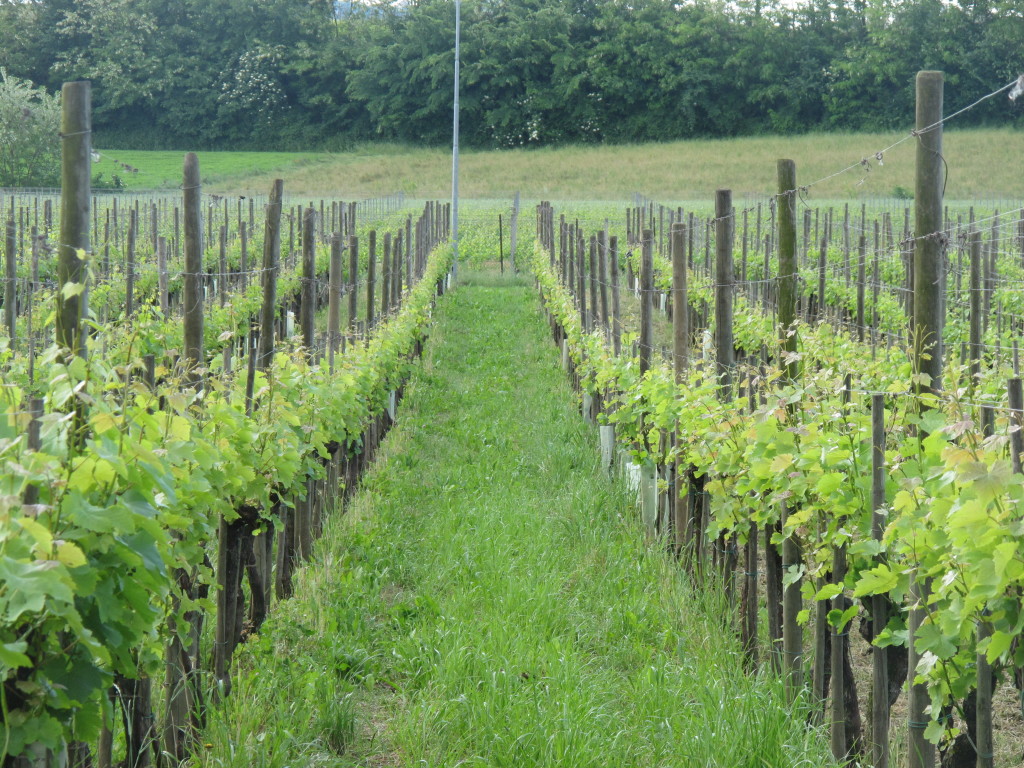
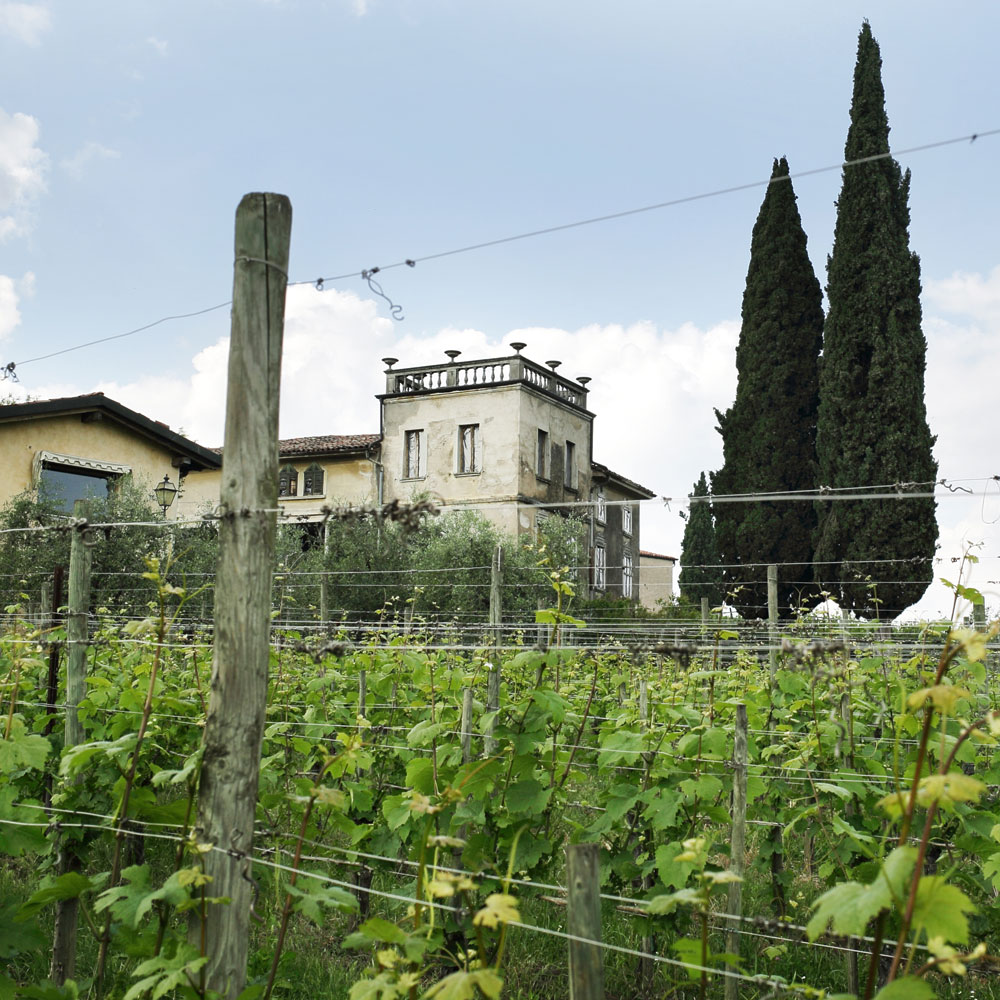
posted on 8 February 2017If any of you visited us recently, you will have noticed on entering that a good part of the small vineyard growing at the entrance and covering the cellar was grubbed up.
Was it because of the wrong rootstock, or maybe too many passes with the tractor compacted the soil, or the wrong grape variety for the soil, poor-quality vines, or…? As a matter of fact, a good part of the vines were in bad condition and even dead, so much so that we had to take them out.
So now, what to plant?
A lot of discussion over the last few years has focused on disease-resistant grape varieties, but only recently has viticultural research brought really concrete results, and a number of very impressive varieties are available today.
What are they and how are they “created”? These new varieties are created by repeated crossing/hybridization of familiar European wine-grape varieties with grapes native to America or with even more ancient varieties from the Caucasus area, with the aim of passing on the traits that make them resistant to the main grapevine diseases. The resultant grapevines are, therefore, naturally created, not GMOs.
So we thought it would be worthwhile to plant 650 vines of one of these varieties, so that we would no longer have to apply anti-pest treatments to the vineyard and would be able to practice a natural, sustainable viticulture.
Ah, I forgot! The name of the variety we chose is SORELI, a white, lightly aromatic grape that is a close relative of the Tocai friulano. We liked its name, as well as its winemaking potential, and-–who knows?—perhaps in the future what is now just a small experiment may evolve into something impressive in which we can invest.